

Mindfulness & Balance: Proven Ways to Reduce Stress, Improve Focus, and Stay Productive in 2026
Introduction
In today’s fast paced world, stress and burnout have become common challenges affecting millions of professionals and entrepreneurs. As we step into 2026, the importance of mindfulness and balance has never been more critical. This comprehensive guide explores proven strategies to reduce stress, improve focus, and maintain productivity while nurturing your mental well being.
What is Mindfulness?
Mindfulness is the practice of bringing full attention and awareness to the present moment without judgment. Unlike meditation, which is a formal practice, mindfulness can be integrated into your daily activities. Research shows that regular mindfulness practice rewires your brain, reducing stress hormones and improving emotional resilience.
The Science Behind Stress Reduction
When you practice mindfulness, your body activates the parasympathetic nervous system often called the “rest and digest” mode. This counteracts the sympathetic nervous system (“fight or flight”) that keeps you stressed. Studies have demonstrated that just 10 minutes of daily mindfulness can significantly reduce cortisol levels.
5 Proven Ways to Reduce Stress in 2026
- Daily Meditation Practice
Start with just 5 10 minutes each morning. Consistency matters more than duration. Use apps like Headspace or Insight Timer to guide your practice. Meditation calms your mind, reduces anxiety, and sets a positive tone for your day. - Mindful Breathing Techniques
Try the 4 7 8 breathing technique: breathe in for 4 counts, hold for 7, and exhale for 8. This activates your parasympathetic nervous system instantly. Practice this whenever you feel stressed or overwhelmed. - Digital Detox Hours
Designate specific hours especially evenings as phone free time. Constant notifications trigger stress responses. Limiting screen time helps your mind relax and improves sleep quality significantly. - Physical Movement and Exercise
Engage in activities you enjoy: yoga, walking, running, or dancing. Exercise releases endorphins natural mood elevators. Aim for at least 30 minutes of movement daily. - Structured Break Intervals
Implement the Pomodoro Technique: work for 25 minutes, then take a 5 minute break. This prevents burnout and maintains consistent focus throughout your day.
How Mindfulness Improves Focus
Your attention span is like a muscle it strengthens with practice. Mindfulness training enhances your ability to:
- Notice distractions without engaging with them
- Return your focus to the task at hand
- Enter flow states more easily
- Reduce mind-wandering by up to 30%
Productivity Hacks for 2026
- Priority Batching
Group similar tasks together. Batch all content writing, all emails, and all meetings. Context switching reduces productivity by up to 40%. - Time Block Your Day
Plan your day in themed blocks: creative work in mornings, administrative tasks in afternoons. Align tasks with your natural energy rhythms. - Single Tasking Over Multitasking
Despite popular belief, multitasking reduces efficiency. Focus on one task completely before moving to the next. - The Two Minute Rule
If a task takes less than two minutes, do it immediately. This prevents small tasks from cluttering your to do list. - Regular Progress Reviews
Weekly reviews of your accomplishments boost motivation and provide clarity for the coming week.
Creating Your Mindfulness Balance Routine
Step 1: Start Small
Begin with just 5 minutes of daily mindfulness. Small habits are sustainable habits.
Step 2: Set Non Negotiable Boundaries
Protect your personal time. Say no to commitments that don’t align with your priorities.
Step 3: Create a Dedicated Workspace
If possible, have a separate area for work. This mental boundary helps you transition between work and rest modes.
Step 4: Track Your Progress
Maintain a simple log of your mindfulness practice and productivity metrics. Seeing progress motivates continued effort.
Common Mistakes to Avoid
- Expecting instant results: Benefits appear after consistent practice (typically 3-4 weeks)
- All-or-nothing thinking: Missing one day doesn’t mean failure; just resume the next day
- Neglecting sleep: No productivity hack replaces quality sleep
- Ignoring physical health: Exercise and nutrition significantly impact mental clarity
Conclusion
As we navigate 2026, mindfulness and balance aren’t luxuries they’re necessities for sustained success. By implementing these proven strategies, you’ll not only reduce stress and improve focus but also enhance your overall quality of life. Start with one technique today, and build from there. Your future self will thank you.
Remember: productivity isn’t about doing more; it’s about doing what matters with full presence and intention.

Why Balance Matters in Your Daily Life
Achieving true work life balance has become increasingly important for professionals in today’s demanding environment. The concept of balance extends far beyond simply managing time between work and personal responsibilities. Balance encompasses emotional equilibrium, physical wellness, mental clarity, and spiritual well being. When you cultivate balance in these areas, you create a foundation for sustainable success and genuine happiness.
The relationship between mindfulness and balance is deeply interconnected. Mindfulness practices help you achieve balance by teaching you to observe your thoughts without judgment, allowing you to respond thoughtfully rather than react impulsively. This balance in your mental responses leads to better decision making and reduced stress. Many professionals find that maintaining balance in their daily meditation practice even just fifteen minutes creates a ripple effect throughout their entire day.
Balance is not about perfection or achieving some idealized state where everything is equally distributed. Instead, balance is about dynamic adjustment. Some days you might focus more on work, and that’s acceptable as long as you’re consciously choosing that balance shift and compensating with self care activities on other days. The key to maintaining this flexible balance is understanding your personal priorities and honoring them consistently.
Why Mindfulness Helps You Maintain Balance
Mindfulness is fundamentally about achieving balance in your nervous system. When you practice mindfulness, you’re literally training your brain to maintain balance between activation and relaxation. This neural balance is what allows you to be productive during work hours and genuinely relaxed during personal time. Without this neurological balance, you find yourself mentally exhausted even after vacation.
The prefrontal cortex, which handles executive function and decision-making, becomes better at achieving balance when you meditate regularly. This brain region literally grows stronger with mindfulness practice, enabling you to maintain better balance between impulsive reactions and thoughtful responses. Research shows that people who practice mindfulness demonstrate significantly better balance in their emotional responses, meaning they’re less likely to overreact or make hasty decisions.
Balance through the lens of mindfulness also means accepting what you cannot change while actively working to improve what you can. This wisdom helps you maintain emotional balance when facing workplace challenges or personal difficulties. The balance between acceptance and action is what transforms mindfulness from a nice relaxation technique into a powerful life philosophy.

The Four Pillars of Balance: Work, Rest, Relationships, and Growth
Achieving sustainable balance requires attention to four critical areas. The first pillar work and productivity deserves balance with the second pillar: adequate rest and recovery. Many high achievers neglect rest, believing that constant activity produces better results. However, research demonstrates that balance between effort and rest actually increases overall productivity by 30 to 40 percent.
The third pillar involves relationships and community. Balance in your relationships means giving enough attention to your loved ones while maintaining healthy boundaries. This relational balance prevents burnout in personal relationships and strengthens your support network. When you achieve balance here, you have people to lean on during difficult times and people whose lives you positively impact.
The fourth pillar—personal growth and learning requires balance between maintaining your current competencies and developing new skills. This growth balance keeps you engaged with life while preventing overwhelm. You can pursue learning opportunities without losing balance by setting realistic expectations for how much time you dedicate to new skill development.
Practical Strategies for Maintaining Balance Throughout Your Workday
Maintaining balance during a hectic workday requires intentional strategies. Start your morning with a balance focused intention: “Today, I maintain balance between productivity and presence.” This simple practice sets the tone and helps you remember to check in with your balance throughout the day.
Implement hourly balance checks. Set a phone reminder for key times mid morning, lunch, mid afternoon, and end of day. When the reminder sounds, pause for thirty seconds to assess your current state. Are you in balance? Do you need more movement? More water? More focus? These micro interventions throughout your day help maintain your overall balance much more effectively than trying to “catch up” on balance at the end of the week.
Use transition rituals to help your body and mind achieve balance between different activities. When moving from meetings to focused work, take a brief walk while doing breathing exercises. This ritual helps your brain shift from social processing to focused concentration, creating better balance in your daily rhythm. The same principle applies to the transition between work and personal time create a ritual that signals to your nervous system that you’re shifting into a different mode requiring different balance.
Balance Your Digital and Non Digital Time
One of the most neglected aspects of modern balance is managing your relationship with technology. Digital balance is increasingly critical for mental health and productivity. Research shows that people who maintain better balance between screen time and screen free time report higher life satisfaction, better sleep quality, and improved focus.
Create specific times during your day when you achieve balance by being completely technology free. These might include the first hour after waking, the last hour before bed, or during meals. This digital balance allows your brain to fully disengage from work-related stimulation and genuinely relax. The balance between always on connectivity and periods of intentional disconnection is essential for long term health.
Consider your evening balance particularly important. The blue light from screens interferes with melatonin production, disrupting your sleep wake balance. By creating a screen free evening balance protocol perhaps starting two hours before bed you can significantly improve sleep quality. This nightly balance investment pays dividends in your next day’s energy, focus, and overall performance.
Balance and Physical Health
Physical balance directly impacts mental and emotional balance. When you exercise regularly, your body maintains better hormonal balance, neurochemical balance, and energy balance throughout the day. Exercise is one of the most powerful tools for maintaining the kind of balance that translates into better stress management.
Yoga specifically addresses balance at multiple levels physical balance through poses, mental balance through meditation components, and emotional balance through breathing practices. Many professionals report that just two yoga sessions weekly dramatically improve their overall life balance. The beauty of yoga as a balance practice is that it directly demonstrates the mind-body connection, making the abstract concept of balance tangible and experiential.
Nutrition plays an underrated role in maintaining balance. Consistent energy levels achieved through balanced meals with adequate protein, healthy fats, and complex carbohydrates support the kind of stable mindset that makes mindfulness practice more effective. When your blood sugar is in balance, your emotions are more balanced, and your ability to focus improves dramatically.
The Role of Sleep in Achieving Balance
Quality sleep might be the single most important factor in maintaining balance across all life domains. When you’re well rested, you have better emotional balance, better decision making ability, better physical health, and better relationships. Conversely, sleep deprivation destroys balance in all these areas.
Consistent sleep balance means going to bed and waking at roughly the same time daily, even on weekends. This regularity helps your circadian rhythm your body’s natural balance system function optimally. When your sleep wake balance is stable, everything else becomes easier to manage.
Balance Your Expectations with Reality
One of the biggest impediments to achieving balance is unrealistic expectations. Many people pursue balance while maintaining perfectionist standards, which is fundamentally contradictory. True balance means occasionally failing, sometimes being late, sometimes prioritizing work over wellness, and accepting that this is normal.
Balance means giving yourself grace when you’re out of balance. Some weeks your work demands extra attention, disrupting your usual balance. That’s acceptable. What matters is recognizing the imbalance and consciously returning to your balance baseline as soon as possible. The resilience to recognize imbalance and course correct is actually more valuable than perfect balance.
Long-term balance is built on self compassion and flexibility, not rigid adherence to a fixed formula. Your needs for balance will shift throughout your life. What provided perfect balance at age twenty-five may not work at forty five, and that’s okay. Successful people regularly reassess and adjust their balance practices.
Building a Sustainable Balance Lifestyle
Transforming your life through mindfulness and balance is a gradual process. You don’t achieve lasting balance through dramatic overhauls; instead, you build it through consistent, small adjustments. Start with one balance practice perhaps daily meditation or a weekly yoga class and master that before adding more.
As you experience the benefits of initial balance practices, you’ll naturally become motivated to extend balance into other areas of your life. This organic growth into greater balance is more sustainable than forcing multiple changes simultaneously. You’re essentially training your brain and body to recognize and prefer the balanced state, making balance your new normal.
Track your balance progress. Keep a simple log noting how balanced you felt each day on a scale of one to ten. After a few weeks, you’ll see patterns perhaps you notice that days with exercise and meditation maintain much better balance. These observations help you understand your personal formula for optimal balance.
Building community around balance accelerates your progress. Find accountability partners, join mindfulness groups, or participate in yoga classes. The community balance effect is powerful you’re more likely to maintain your balance practices when others are doing them alongside you. Additionally, sharing your balance challenges and successes with others makes the journey more enjoyable and sustainable.

Final Thoughts on Mindfulness, Balance, and Success
The path to sustainable success in 2026 and beyond is fundamentally a path of mindfulness and balance. Those who thrive are not necessarily working harder; they’re working with better balance, clearer focus, and more intentional energy allocation. They’ve recognized that balance is not a luxury but a requirement for excellence.
Your mindfulness practice is the foundation. Your pursuit of balance is the structure. Together, they create a life of meaning, productivity, and genuine well-being. As you move forward with these practices, remember that achieving balance is not about reaching a destination but about developing the skills and awareness to navigate life with greater intention and peace.
The investment you make in mindfulness and balance today will compound over time. Each meditation session trains your brain slightly more. Each balanced day reinforces healthy patterns. Each boundary you set protects your well-being more completely. Start today, stay consistent, and watch as your life transforms through the power of mindfulness and balance.
Advanced Balance Practices for Elevated Success
Once you’ve established foundational mindfulness and balance practices, you can explore more advanced techniques to deepen your practice. Advanced balance techniques build on the foundation of basic practices, offering greater refinement and more nuanced balance development.
Traditional meditation practices from Eastern philosophy offer sophisticated balance techniques developed over thousands of years. Zazen, vipassana, and pranayama all provide specific balance benefits. Each technique addresses different aspects of mental and emotional balance through varied approaches.
The integration of balance with professional achievement is an emerging field in executive coaching. High-performing leaders increasingly recognize that maintaining work life balance directly correlates with business success. Companies investing in employee balance through mindfulness programs, flexible work arrangements, and mental health support report improved balance in employee satisfaction, lower turnover, and enhanced productivity.
Balance and Personal Relationships
Maintaining balance in your personal relationships significantly impacts overall well being. Relationship balance involves giving and receiving, listening and speaking, independence and interdependence. When you achieve balance in these dynamics, your relationships become sources of strength rather than stress.
Balance between alone time and social connection is particularly important for modern professionals. Too much solitude disrupts social balance and increases isolation risk, while too much socializing prevents necessary balance for self reflection and personal growth. The optimal balance varies by individual temperament and life circumstances.
Establishing balance with family members requires clear communication and boundary setting. Family balance means honoring family relationships while maintaining your own identity and professional commitments. This balance prevents resentment and strengthens family connections through mutual respect and understanding.
Balance in the Age of Information Overload
The modern information landscape creates unprecedented balance challenges. Constant connectivity, endless content, and information abundance disrupt the natural balance of human attention and focus. Achieving balance in your information consumption is essential for mental health and productivity.
Informational balance means consuming information intentionally rather than reactively. Rather than scrolling endlessly through social media, balanced information consumption involves choosing quality sources, setting time boundaries, and regularly evaluating whether your information diet serves your goals. This intentional balance transforms information from a source of anxiety into a tool for growth.
Professional balance includes balancing between deep work (focused concentration) and shallow work (routine tasks and communication). Research shows that professionals who maintain this balance achieve higher quality output and greater innovation. The balance between these work modes allows your brain to operate at peak efficiency.
Balance as a Lifelong Journey
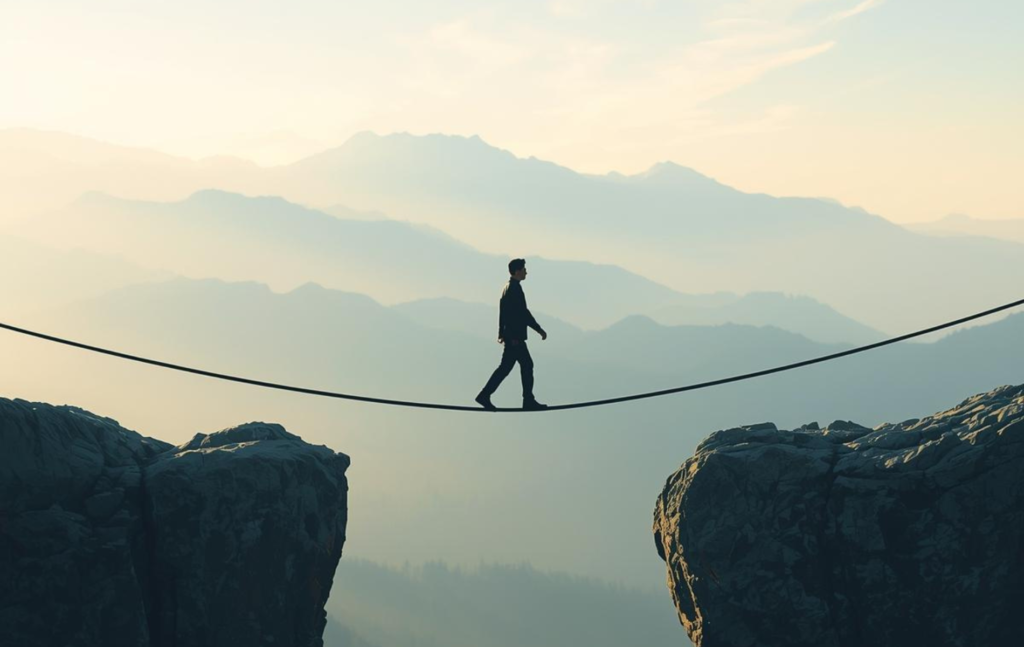
Importantly, achieving balance is not a destination but an ongoing process requiring continuous adjustment. Your life circumstances, responsibilities, health status, and personal priorities will shift throughout your life. The balance that served you at twenty five may no longer work at thirty five or fifty five.
Successful people understand that balance is dynamic. They regularly reassess their balance situation, adjust their practices, and recalibrate their commitments. This flexibility prevents the frustration of trying to maintain an outdated balance formula that no longer serves their current reality.
Balance also involves accepting seasons of life. Sometimes a major work project requires temporary imbalance toward work. Sometimes health challenges demand temporary focus on physical recovery, disrupting your usual balance. These temporary imbalances are acceptable within a larger framework of overall balance and well being.
The true measure of balance success is not how perfectly balanced you maintain equilibrium, but rather how quickly you can recognize imbalance and consciously return to your balance baseline. This resilience and self-awareness are more valuable than perfect balance.
Your Balance Practice Starts Now
You have all the information you need to begin your balance journey. You understand the science, the specific practices, the common mistakes, and the long-term perspective. The only remaining step is action begin today, however modestly, to implement one balance practice.
Start with just five minutes of daily meditation, one weekly yoga class, or a single digital-free evening. These small beginnings establish the balance foundation that grows exponentially over time. Each balanced day builds neural pathways, hormonal balance, and psychological patterns that reinforce itself.
Pourquoi le équilibre est essentiel pour votre bien être
Surround yourself with people who value balance. Join communities, find accountability partners, or work with a coach who understands the importance of balance. The social support system you build around your balance practice dramatically increases your success probability.
Track your balance improvements. Notice how better sleep improves your daytime balance. Observe how meditation affects your emotional responses. See how setting boundaries changes your relationship balance. These observations motivate continued practice by making the benefits of balance tangible and personal.
Remember that balance is not selfish; it’s essential. By maintaining your own balance, you become a better partner, parent, employee, and community member. Your balance practice ripples outward, influencing everyone around you.
Your transformation through mindfulness and balance begins with a single conscious choice the choice to prioritize your well being, to honor your capacity limits, and to live with greater intention and awareness. Make that choice today. Your future self will thank you for the investment in your balance and mindfulness practice.